If your total tax liability exceeds ₹10,000 in a financial year, you are legally required to pay advance tax. Instead of waiting for year-end, the Income Tax..



If your total tax liability exceeds ₹10,000 in a financial year, you are legally required to pay advance tax. Instead of waiting for year-end, the Income Tax..

If you’re doing business in India, chances are you’re required to register for Goods and Services Tax (GST). Whether you’re a trader, service provider, freelancer, e-commerce seller,..

Filing your Income Tax Return (ITR) is a key part of financial compliance in India. With the government’s push for digital services, individuals and businesses can now..

Tax Deducted at Source (TDS) is a crucial compliance obligation under Indian income tax law. It ensures advance collection of tax at the time of payment,..

In India, your residential status determines whether your global income or only Indian income is taxable. It is based not on citizenship or visa, but on..

Under the Income Tax Act, 1961, certain taxpayers must get their accounts audited by a Chartered Accountant and submit a Tax Audit Report. This audit requirement,..

The Presumptive Taxation Scheme (PTS) under the Income Tax Act, 1961 is a major relief for small businesses, professionals, and freelancers who want to avoid complex..
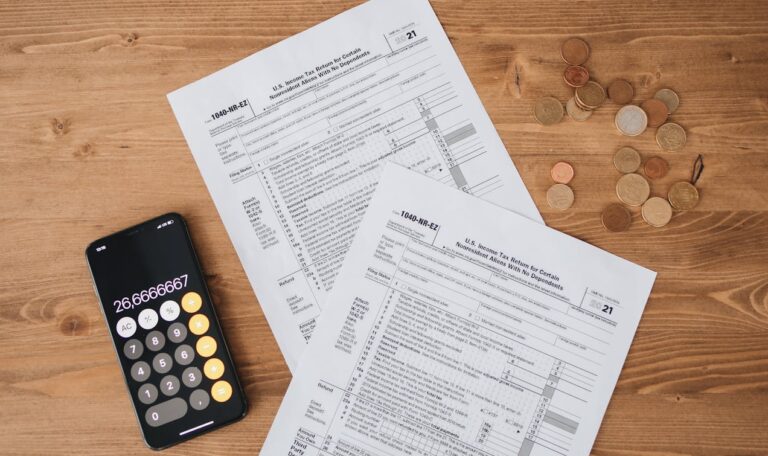
Non-Resident Indians (NRIs) often assume they are exempt from filing taxes in India – but this is not always true. The Income Tax Act, 1961, clearly..

If you are an Indian resident involved in foreign transactions – such as investing abroad, holding foreign assets, or receiving foreign funds – you are subject..

Section 80C of the Income Tax Act, 1961 is the most commonly used tax-saving section by individual taxpayers in India. It allows deductions up to ₹1.5..