

US-India Tax Treaty for F1/J1 Students & Scholars
The U.S.-India Income Tax Treaty is one of the most generous agreements for international students and researchers. While most non-residents are barred from common U.S. tax breaks, Indian citizens on F1, J1, or M1 visas have access to unique “power moves” that can save thousands of dollars. In 2025, these benefits are even more valuable due to updated deduction limits.
The Student “Superpower”: Article 21(2)
Indian students are the only group of non-resident aliens (NRAs) allowed to claim the U.S. Standard Deduction. For most NRAs, the standard deduction is $0, but for you:
- The 2025 Benefit: For the 2025 tax year (filed in 2025), you can claim a standard deduction of $15,750.
- How it Works: This amount is subtracted directly from your taxable income (wages from CPT, OPT, or on-campus jobs), often wiping out your entire federal tax liability.
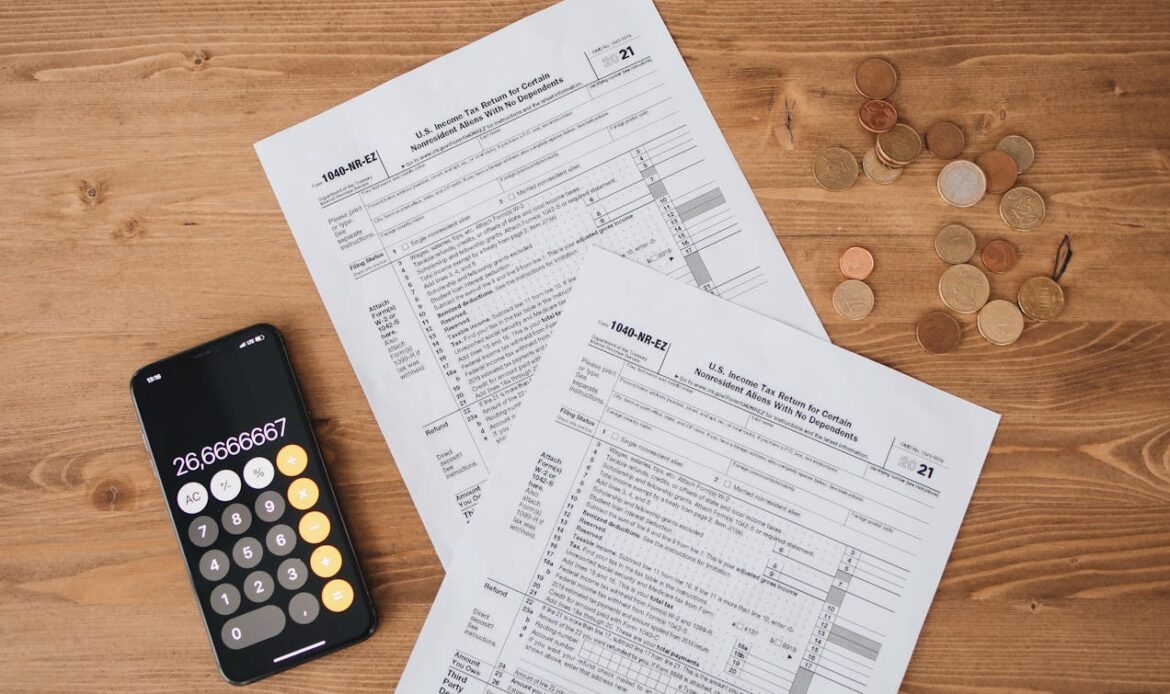
- How to Claim: You must file Form 1040-NR and explicitly cite Article 21(2) of the U.S.-India Treaty on Schedule OI.
The Researcher Exemption: Article 22
If you are a professor, teacher, or research scholar (usually on a J1 visa) invited by a university or accredited institution, you have a “tax holiday”:
- The Exemption: Your income from teaching or research is 100% exempt from U.S. federal tax for a period of two years from your date of arrival.
- The “Retroactive” Trap: Be careful, this benefit is often lost if your stay in the U.S. exceeds two years. If you stay for 2 years and 1 day, the IRS may retroactively tax all the income you previously claimed as exempt.
Tax-Free Payments from Abroad
Under Article 21(1), any payments you receive from outside the U.S. for your maintenance, education, or training are completely exempt from U.S. tax.
- Example: If your parents send you money for rent or tuition, or if you receive a scholarship from an Indian foundation, that money is not reportable income in the U.S
FICA Tax Exemption (The 7.65% Savings)
While not strictly part of the treaty, it works in tandem with your student status:
- The Rule: F1 and J1 students are exempt from Social Security and Medicare (FICA) taxes for their first 5 calendar years in the U.S., provided they are still non-residents.
- Student-to-H1B Pivot: In 2025, many students transitioning to H1B lose this benefit. If your employer continues to withhold FICA while you are still an “exempt” student, you can file Form 843 to claim a refund.
How KKCA Secures Your Status
Many generic tax softwares (like TurboTax) are not designed for non-residents and often miss the Article 21 deduction. We ensure you don’t overpay:
- Treaty Election: We properly cite Article 21 and Article 22 on your 2025 return to ensure the IRS accepts your deduction.
- Form 8843 Compliance: Even if you have zero income, we file your Form 8843 to maintain your “Exempt Individual” status for the 5-year clock.
- FICA Refund Support: If your employer mistakenly withheld 7.65% from your OPT paycheck, we handle the complex refund claim process with the IRS.
Call to Action
Looking for personalized tax services about your specific tax situation? Please contact us. We are here to help you with your specific tax matters.
Frequently Asked Questions (FAQ)
Q: Can I claim the Standard Deduction on my state taxes? A: Usually, no. Most states (like New York or California) do not recognize federal tax treaties. You must check your specific state’s 2025 tax rules.
Q: I am on my 6th year of F1; can I still use the treaty? A: Once you become a “Resident Alien” (after 5 years), you generally cannot use Article 21(2) to take the standard deduction on Form 1040-NR, as you will be filing the standard Form 1040 (which already includes the standard deduction).
Q: Does the treaty cover my internship income? A: Yes, as long as you are still considered a “student” or “business apprentice” for tax purposes.
Disclaimer
This blog is intended for informational purposes only and does not constitute legal or tax advice. Please consult a qualified U.S. CPA or tax attorney for guidance specific to your situation.